

From Green to Brew: Understanding the Art of Coffee Roasting
Coffee is one of the most beloved beverages in the world. It brings comfort and energy to countless people every day. But have you ever wondered how those beautiful green coffee beans are transformed into the aromatic, rich brown beans that we brew into our morning cup? In this blog post, we’ll explore the art of coffee roasting, diving deep into the nuances that make this craft so fascinating.
The Essence of Coffee Roasting
Coffee roasting is not just a simple process; it's an art form that impacts the final flavor and quality of your brew. The transformation from raw green beans to the roasted coffee we all know encompasses science, skill, and a touch of artistry. Roasting accelerates the development of flavors in the beans. When a roaster brings heat to the beans, they begin to change in color, size, and chemistry.
Different roasting techniques will bring out varying flavors and aromas. A lighter roast may highlight fruity notes, while a darker roast can bring out chocolatey or even smoky flavors. The roasting process allows professionals to manipulate these variables, resulting in a wide spectrum of taste experiences for coffee lovers.

The Coffee Roasting Process
The coffee roasting process involves several critical steps. Roasters require careful attention as they navigate through each stage. Here's a simplified breakdown of these steps:
Green Coffee Selection: Quality starts with selecting the right green coffee beans. Different regions produce beans with unique flavors, resulting in a vast range of possibilities.
Heating: The beans are placed in a roaster, where heat is applied to initiate the roasting process. The temperature can vary, typically ranging from 370 to 540 degrees Fahrenheit.
First Crack: As the beans roast, they expel moisture and gases, eventually reaching a point known as the first crack. This is where the beans begin to expand, and a popping sound is produced. This usually occurs around 385 degrees Fahrenheit.
Development Time: After the first crack, roasters make choices about how long to continue roasting. The longer the beans roast, the darker and bolder the flavors become.
Second Crack (Optional): In darker roasts, the second crack may occur, which adds deeper flavors and oils to the beans.
Cooling: Once the desired roast is achieved, beans must be cooled quickly to stop the roasting process. This is typically done with air or water.
Resting: The cooling process must be followed by a resting period where the roasted beans can degas, ensuring optimal flavor during brewing.
Understanding these stages allows coffee enthusiasts to appreciate the complexity and skill involved in coffee roasting. If you're curious to learn more about the intricate details, check out this detailed guide on the coffee roasting process.
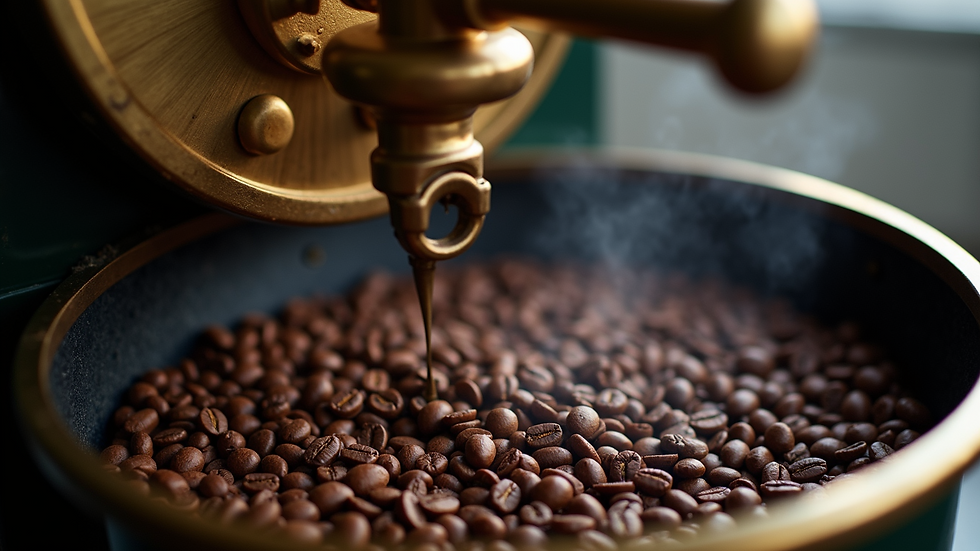
What is the Process of Roasting Coffee?
The roasting process can be broken down into different profiles. Different levels of roast affect flavor, acidity, and bitterness. The three most common roast levels are:
Light Roast: This roast is characterized by a light brown color, minimal oil, and a higher acidity. It retains more of the original flavor of the coffee bean, highlighting fruity or floral notes.
Medium Roast: This roast gives a balanced flavor profile. As the beans turn a rich brown and start to develop oils, you notice a harmonious blend of acidity and sweetness, with a slightly stronger chocolate note.
Dark Roast: Dark roasts are deep brown to almost black, with oily surfaces and a pronounced smoky flavor. The original notes of the bean are often masked by deeper flavors developed during the roasting process.
Each roast brings unique attributes to the cup. For instance, a light roast may brew a bright, citrusy coffee, whereas a dark roast might yield robust flavors of chocolate and caramel. Understanding these roasting distinctions can enhance your coffee-drinking experience.

Choosing the Right Roast for Your Taste
When stepping into the world of roasted coffee, choices can be overwhelming. Here are a few tips to help you find your perfect roast:
Try Different Roasts: Experiment with various roast levels. You may find yourself enjoying different types depending on the time of day or mood.
Focus on Flavor Profiles: Investigate the unique flavor notes associated with roasts. If you like bright, fruity flavors, try a light roast. For a nutty or chocolaty profile, go for medium to dark roasts.
Freshness Matters: Always choose freshly roasted coffee. As beans age, they lose flavor. Purchase from local roasters or reputable online sources.
Grind Size: The coarseness or fineness of your coffee grind also influences flavor. Experimenting with different grind sizes can significantly enhance your brewing experience.
Learning about the nuances of coffee types and techniques can lead to a more satisfying coffee experience. Embracing this journey is sure to elevate your appreciation for every cup you brew.
Brewing Methods and Their Influence
Now that you’ve chosen your roast, the next step is to consider brewing methods. Each brewing technique interacts differently with the coffee, affecting taste and extraction.
French Press: This method captures the full-bodied richness of a coffee, making it an excellent choice for medium to dark roasts.
Pour Over: Ideal for lighter roasts, pour-over brewing highlights complex flavors, allowing subtle notes to shine through.
Espresso: Favored for its bold kick, espresso pairs well with a variety of roasts but particularly shines with dark roasts.
Cold Brew: This method offers a smooth, less acidic taste, ideal for those who prefer a refreshing drink. Coarse grinds and medium to dark roasts work best.
Understanding your brewing method helps you make the most of your chosen roast. It's a beautiful marriage between technique and choice that brings about unique flavor experiences.
The Art of Coffee Roasting as a Craft
Coffee roasting is much more than a simple process; it's a blend of science and artistry. Roasters, much like artists, experiment with techniques and flavors. Tasting the differences between roasts and understanding how they connect to bean origin and roasting methods is a skill developed over time.
Roasters often develop profiles tailored to their customers’ preferences, creating blends that highlight specific flavors or even seasonal tastes. This level of care and customization makes each cup of coffee unique.
Whether it's a small batch roasted by hand or a large commercial roast, the heart of roasting remains the same: to capture the essence of the bean and showcase its potential.
With this knowledge, the next time you enjoy a cup of coffee, you'll appreciate the journey it took to get there, from green beans to that perfect brew in your cup. The art of coffee roasting is a world filled with nuances, flavors, and rich traditions. So, embrace the experience, experiment with different roasts, and enjoy every sip!


Comments